 Chain Alpha Trends
 Wrapped Tokens: Stunning Beginner Guide to Effortless Bitcoin
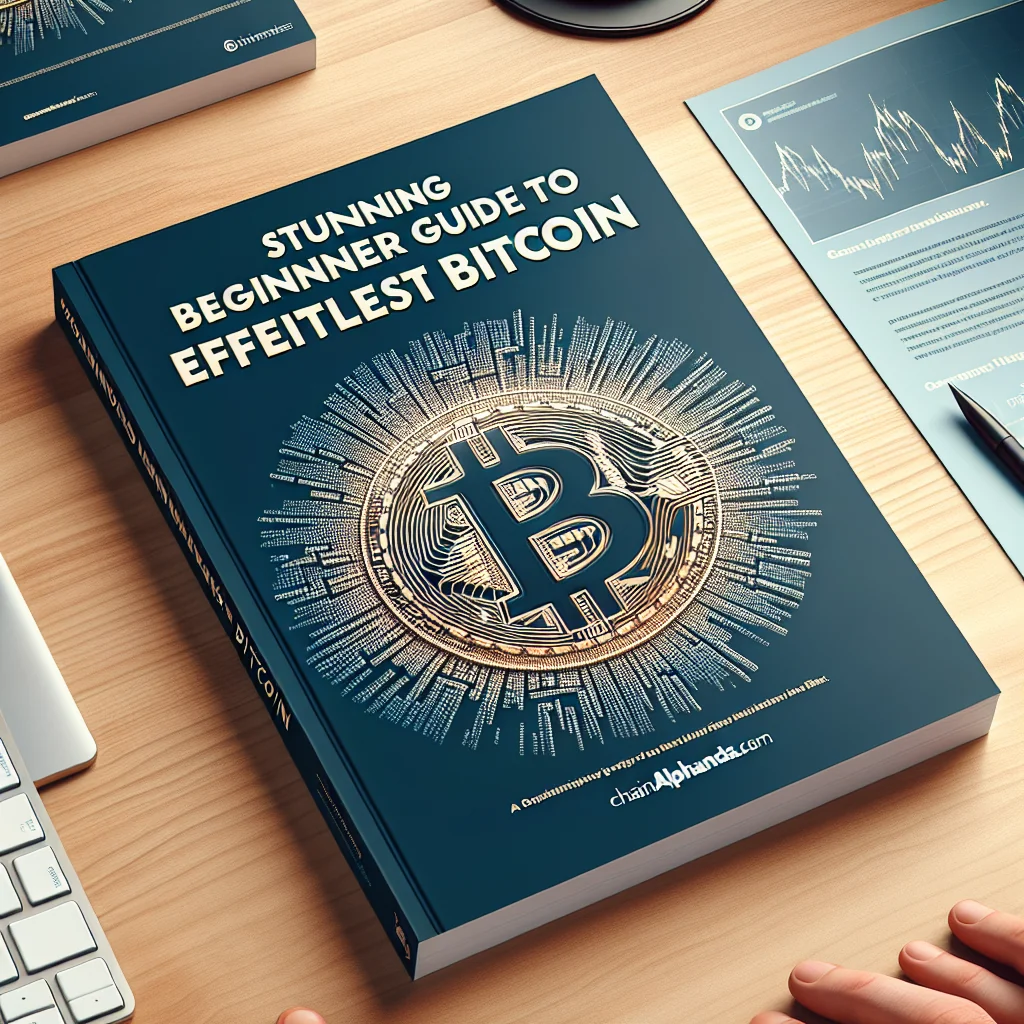
Wrapped tokens let you use Bitcoin and other major coins in places they normally cannot go. They act like a ticket that represents your coin on another blockchain, while the original stays locked and safe. For beginners, this is one of the cleanest ways to bring Bitcoin into fast, low-fee DeFi systems.
What Are Wrapped Tokens in Simple Terms?
A wrapped token is a crypto token that represents another coin on a different blockchain. One unit of the wrapped token equals one unit of the original coin that sits locked in reserve. The wrapped token tracks the same price as the real asset, so you can move and trade it easily.
Think of a wrapped token as a claim check. You hand Bitcoin to a trusted system, and you get back a token that says, “This stands for 1 BTC.” You can later redeem that claim check and get your real Bitcoin back.
How Wrapped Bitcoin (WBTC) Works Step by Step
Wrapped Bitcoin (often shown as WBTC) is the most popular example. It brings Bitcoin onto the Ethereum network so people can use it in DeFi apps, lending, and yield farms.
- You send BTC to a custodian. A custodian is a company or smart contract that holds the real Bitcoin in a secure wallet.
- The system mints WBTC. Once the BTC is locked, the same amount of WBTC is created on Ethereum and sent to your wallet.
- You use WBTC on Ethereum. You can trade, lend, or stake WBTC in Ethereum-based apps.
- Burn and redeem. When you want your BTC back, WBTC gets burned (destroyed), and the custodian releases the same amount of BTC back to you.
This mint-and-burn cycle keeps the supply honest. Every WBTC in circulation has matching BTC held in reserve. If 100 WBTC exists, there must be 100 BTC locked somewhere visible on the blockchain.
Why Do People Wrap Bitcoin at All?
Bitcoin is strong as a store of value, but its base layer is slow and has limited smart contract features. Wrapped Bitcoin lets users enjoy Bitcoin’s value and brand while tapping into faster networks and richer apps.
- Use BTC in DeFi. You can earn yield, provide liquidity, or borrow against WBTC in DeFi platforms.
- Lower fees and faster trades. Networks like Ethereum and Layer 2 chains can process wrapped Bitcoin transactions more quickly than base Bitcoin.
- Better composability. Apps on smart contract chains can plug WBTC into many strategies: lending, farming, derivatives, and more.
- Keep one main asset. Some users prefer to hold mostly Bitcoin but still want DeFi exposure.
Picture a long-term Bitcoin holder who never sold a satoshi. With WBTC, that person can still earn yield by placing wrapped coins into a lending pool while keeping Bitcoin as the core asset.
Custodial vs Non-Custodial Wrapped Tokens
Wrapped tokens differ in who controls the underlying asset. This changes the trust model and risk profile.
| Feature | Custodial Wrapped Tokens (e.g., WBTC) | Non-Custodial / Trust-Minimized Wrapping |
|---|---|---|
| Who holds the real BTC? | Central custodian (company or consortium) | Smart contracts, bridges, or multi-sig groups |
| Trust needed | High trust in the custodian | More trust in code and decentralized governance |
| Transparency | On-chain proofs plus audits | On-chain rules, often open-source code |
| Risk type | Custodian default, regulation risk | Smart contract bugs, bridge attacks |
| Ease of use | Often simpler, with direct partners | Sometimes more steps and technical details |
Neither approach is perfect. Custodial wrapped tokens depend on a business staying solvent and honest. Non-custodial ones rely deeply on code security and bridge design. Many users hold a mix and adjust based on their risk comfort.
Main Benefits of Wrapped Tokens for Beginners
For someone just starting with crypto, wrapped tokens can open doors without forcing a full switch of networks or coins. They act as a bridge between older and newer systems.
Here are some clear benefits:
- More use cases for your Bitcoin. Wrapped Bitcoin can access DeFi, NFTs, and other smart contract tools.
- Better liquidity. Pairs like WBTC/ETH or WBTC/USDC often have high volume, which means easier trading with smaller spreads.
- Portfolio flexibility. You keep Bitcoin exposure while trying yield strategies.
- Improved user experience. Some networks offer faster confirmation times and cheaper fees than Bitcoin.
For example, a user can deposit WBTC into a lending protocol, borrow a stablecoin, and then buy more BTC on a central exchange. This type of loop is hard with pure on-chain Bitcoin, but straightforward with wrapped tokens on a smart contract chain.
Main Risks You Should Not Ignore
Wrapped tokens also add new attack surfaces and trust points. Ignoring these risks can lead to losses that would not exist with plain, self-custodied Bitcoin.
- Custodian risk. If a central custodian is hacked, shut down, or behaves badly, the backed BTC can vanish or be frozen.
- Smart contract risk. Bugs in the token contract, bridge, or DeFi app can drain funds or lock them forever.
- Bridge risk. Cross-chain bridges are frequent targets for exploits, since they often hold large reserves.
- Regulatory risk. Wrapped token providers may face new rules that affect redemptions, KYC, or access.
A careful user spreads risk across different platforms, uses only audited protocols, and keeps a chunk of Bitcoin offline in cold storage instead of wrapping everything.
Common Types of Wrapped Bitcoin
Several wrapped Bitcoin versions exist, each with its own issuer and design. They mostly track BTC 1:1 but differ in governance and custody.
- WBTC (Wrapped Bitcoin on Ethereum). The most widely used, backed by a group of companies and custodians.
- renBTC. Earlier non-custodial style BTC bridge token (status and support have shifted over time).
- tBTC. A more decentralized approach that uses bonded signers to hold BTC.
- BTCB (Bitcoin BEP2 / BEP20). Wrapped Bitcoin on Binance chains.
These tokens share the same goal: bring Bitcoin to other networks. The choice normally depends on which chain you use, what DeFi apps you trust, and how you judge custody risk.
How to Get Wrapped Bitcoin as a Beginner
Most beginners do not mint wrapped tokens directly from a custodian. They buy them on exchanges or swap services that already list WBTC or other wrapped BTC versions.
A simple beginner path often looks like this:
- Buy BTC on a major exchange.
- Swap BTC for WBTC or another wrapped version inside the exchange’s spot or convert section.
- Withdraw WBTC to a self-custody wallet on the target blockchain, such as Ethereum or a Layer 2 chain.
- Connect your wallet to a DeFi app and use WBTC as collateral, liquidity, or a trading asset.
Some DeFi bridges and dApps can also wrap BTC directly from a Bitcoin address, but that process tends to be more advanced and requires careful reading of the steps.
Best Practices Before You Wrap Bitcoin
A few simple checks can remove many headaches and reduce risk. Beginners often skip these, but they matter a lot when funds grow.
- Verify the token contract address. Use official sites or reputable aggregators, not random links from chat groups.
- Check reserve proofs. Good wrapped BTC projects show addresses that hold the backing BTC.
- Read a quick audit summary. Look for recent security audits on the token contract and bridge.
- Start small. Test with a small transaction before sending a large amount.
- Use hardware wallets. For larger holdings, sign DeFi transactions with a hardware wallet for extra safety.
Imagine sending a large sum to a fake WBTC contract that only looks similar by name. A 30-second address check avoids a total loss and keeps your Bitcoin exposure intact.
Wrapped Tokens Beyond Bitcoin
Bitcoin is not the only coin that gets wrapped. Many networks wrap assets like ETH, stablecoins, and even stocks or commodities. The same logic applies: lock the original somewhere, then issue a backed token elsewhere.
Some common examples include:
- wETH: wrapped Ether that behaves as an ERC-20 token, making it easier to use in DeFi contracts.
- Wrapped stablecoins: versions bridged to other chains, such as USDC on multiple networks.
- Tokenized real-world assets: representations of gold, bonds, or indexes living on a smart contract chain.
As cross-chain tools improve, the line between native and wrapped assets may blur. For the near term, though, wrapped tokens stay central for anyone who wants one asset to work across many blockchains.
Should You Use Wrapped Bitcoin?
Wrapped Bitcoin is useful if you hold BTC and want access to DeFi yields, faster trading, or cross-chain apps. It carries more risk than holding Bitcoin on your own wallet, but it also gives extra options.
A practical rule is simple. Keep long-term savings in secure Bitcoin storage that you control. Use wrapped tokens for the active part of your portfolio that you are ready to move, trade, and experiment with. This balance lets you enjoy the power of wrapped tokens without turning your entire stack into bridge and smart contract risk.