 Chain Alpha Trends
 Bitcoin Secrets: 10 Stunning, Must-Know Purchases
Bitcoin started as an experiment in digital cash. It still acts as a store of value for many people, yet its most striking stories come from the times people actually spent it. Some of those purchases look smart in hindsight. Others are painful to remember.
The most famous Bitcoin purchases show how fast value can move, how early users took bold risks, and how the asset grew from niche tech to global money. These stories are useful, not just entertaining. They highlight timing, patience, and how to think about spending vs holding.
Why These Bitcoin Purchases Matter
Every viral Bitcoin purchase acts like a case study. A student paid tuition with BTC long before it traded above $1,000. A private company sold space tickets for coins that many people still viewed as internet points. A developer traded thousands of BTC for pizza and proved Bitcoin could work as real money.
These choices reveal three key things: the power of conviction, the cost of impatience, and the importance of having a plan. Without a clear plan, the same decision can feel smart one year and foolish the next.
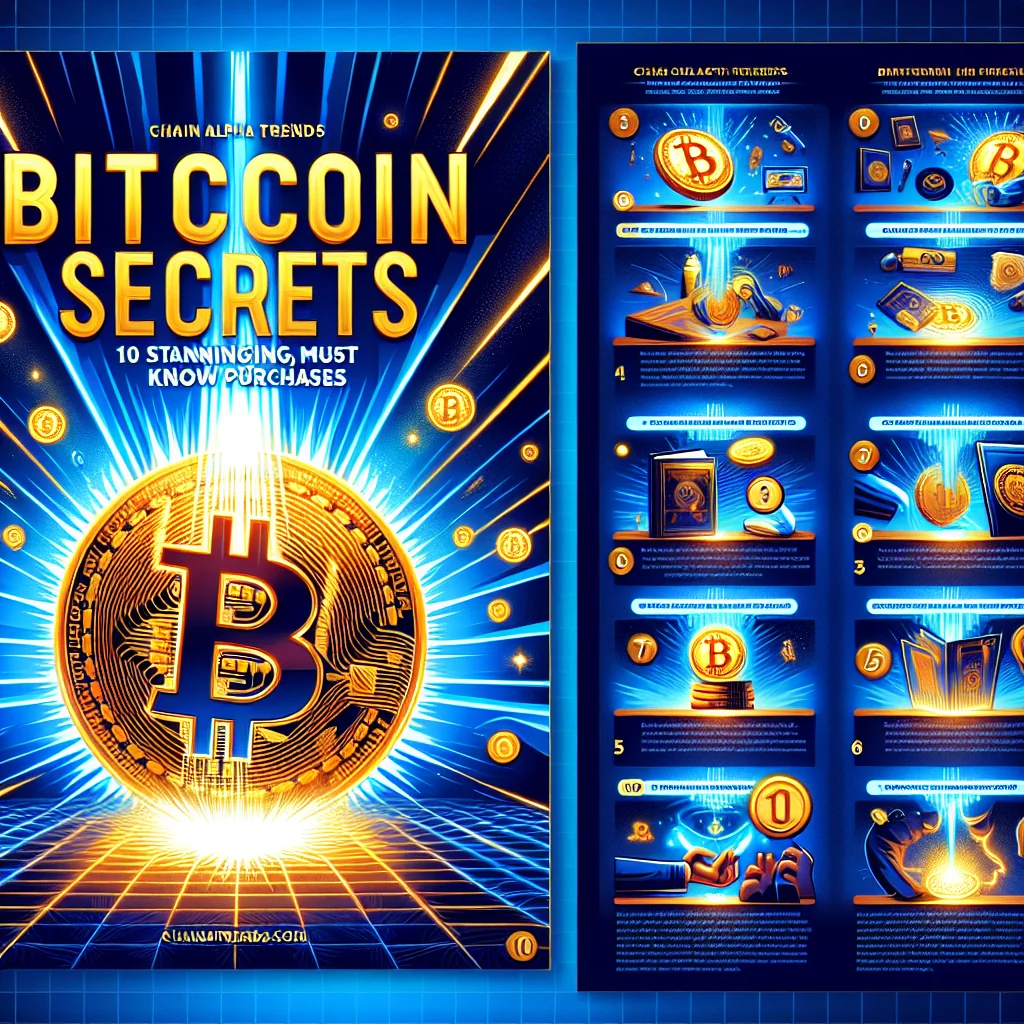
Quick Overview: 10 Stunning Bitcoin Purchases
The list below gives a fast snapshot of 10 must-know Bitcoin purchases before looking at each one in more detail.
- The 10,000 BTC pizzas – the first real-world Bitcoin purchase.
- The first Lamborghini – meme turned into metal.
- Million-dollar homes – real estate agents accepting BTC.
- College tuition – universities taking Bitcoin as payment.
- Space flight tickets – booking a seat beyond Earth with BTC.
- Private jets and luxury travel – flying on coins instead of miles.
- High-end watches and jewelry – turning digital wealth into status symbols.
- Medical procedures – paying for surgery and treatment with BTC.
- Charity donations – giving away coins that later multiplied in value.
- Art and NFTs – trading Bitcoin for culture and digital ownership.
Together, these purchases show how Bitcoin jumped from screens into daily life, luxury markets, and even space travel, long before most people opened their first crypto wallet.
Famous Bitcoin Purchases at a Glance
This table condenses some headline deals, the rough amount of Bitcoin spent, and what that amount could be worth at a strong market price.
| Purchase | Year | BTC Spent (approx.) | Value Then (USD) | Value at $60,000/BTC |
|---|---|---|---|---|
| Two pizzas (Laszlo Hanyecz) | 2010 | 10,000 BTC | ~$40 | $600,000,000 |
| First Lamborghini | 2013–2014 | ~216 BTC | ~$200,000 | $12,960,000 |
| Lake Tahoe house (U.S.) | 2014 | ~2,739 BTC | ~$1.6M | $164,340,000 |
| University tuition (Cyprus) | 2013 | ~47 BTC | ~$24,000 | $2,820,000 |
| Virgin Galactic space ticket | 2013 | ~100 BTC | ~$250,000 | $6,000,000 |
These numbers are estimates, but the contrast is clear. Everyday purchases in the early years later turned into fortunes on paper as the price accelerated.
1. The 10,000 BTC Pizzas
On 22 May 2010, developer Laszlo Hanyecz paid 10,000 BTC for two pizzas. At the time, that amount of Bitcoin was worth about $40. The deal took place on a forum, not through an app, and another user placed the call and paid the pizza shop in cash.
The story looks absurd today, yet it answered an important question: can internet money pay for something real? Those pizzas turned Bitcoin from a fun idea into a functioning currency. That is why many people still celebrate “Bitcoin Pizza Day” every year.
2. The First Lamborghini Bought with Bitcoin
The phrase “When Lambo?” became a joke in trading circles, but one buyer actually did it early. Around 2013–2014, a Bitcoin holder walked into a luxury car dealership in the United States and bought a Lamborghini Gallardo with roughly 200+ BTC.
Back then, it looked like a bold victory lap after a big rally. At later prices, that same stack of coins could have bought a fleet of supercars. The purchase still matters, because it proved high-end dealers were willing to accept digital assets for six-figure items.
3. Houses and Luxury Real Estate
Real estate agents in places such as the United States, Dubai, and Europe began to accept Bitcoin during the 2013–2017 cycles. One of the standout cases was a Lake Tahoe property in California that reportedly sold in 2014 for around 2,739 BTC, valued then at about $1.6 million.
Paying for a house with Bitcoin changed the conversation. A home buyer moved coins from a wallet and received a title deed in return. That shift from digital file to physical asset signaled to many investors that Bitcoin had reached serious money status.
4. College Tuition Paid with Bitcoin
In 2013, the University of Nicosia in Cyprus became one of the first accredited universities to accept Bitcoin for tuition fees. Students could pay their entire degree in BTC, not just a token application fee.
One typical example: a student paying around €10,000 in tuition might have sent about 40–50 BTC, based on prices at the time. Years later, that amount of Bitcoin could fund a lifetime of study. The trade-off is clear: you gain education sooner, yet you give up potential long-term gains.
5. Tickets to Space with Virgin Galactic
Virgin Galactic announced in 2013 that it would accept Bitcoin for space flight tickets. A ticket cost about $250,000, and at least one early adopter paid in BTC rather than dollars. The buyer swapped virtual coins for a real seat on a rocket plane.
For many people, this was a psychological milestone. If Bitcoin could pay for a trip beyond Earth’s atmosphere, then it had stepped into the highest tier of luxury spending, right next to private jets and mega-yachts.
6. Private Jets and Luxury Travel
Flight brokers and travel agencies started to see demand from crypto-rich clients who wanted fast, discreet service. Firms like BitLux, PrivateFly, and others began listing Bitcoin as a payment method for private charters and business-class trips.
A frequent pattern emerged: an entrepreneur sold part of a large Bitcoin position, booked a private jet in BTC, and shared the boarding photo on social media. Those flights showed how fast digital wealth could turn into real-world comfort and saved time.
7. High-End Watches and Jewelry
Luxury watch dealers, especially those dealing in brands like Rolex, Patek Philippe, and Audemars Piguet, were early to experiment with Bitcoin payments. Some online boutiques posted prices directly in BTC alongside dollars or euros.
For buyers, this turned Bitcoin into a status marker. A person who held coins from the early years could walk out with a rare watch or custom jewelry set without ever touching a bank transfer, which fit the privacy and independence ethos of many early adopters.
8. Medical Procedures Paid in Bitcoin
Clinics and hospitals in countries with strong tech communities began to accept BTC for elective procedures. Examples include dental surgeries, cosmetic work, and even some specialized treatments where patients came from abroad.
For a patient who held Bitcoin in a private wallet, paying in BTC removed currency exchange issues and banking delays. One common scenario: an international patient booked a $10,000 procedure, sent a small slice of their BTC holdings, and avoided paperwork that usually stretches over days.
9. Huge Charity Donations in Bitcoin
Charities and NGOs saw a new stream of funding once they added Bitcoin donation addresses. The Pineapple Fund is one of the most famous cases. A single anonymous donor turned 5,104 BTC into over $55 million in donations to dozens of projects in 2017–2018.
That act showed another side of Bitcoin wealth. Instead of cars and watches, one holder chose to direct a large share of their gains to medical research, clean water projects, and digital rights groups, using on-chain transfers that anyone could verify.
10. Art, Galleries, and NFTs
Physical art galleries and digital platforms both embraced Bitcoin payments. Some galleries started pricing paintings and sculptures in BTC during major bull runs, while crypto-native artists sold digital works that referenced blockchains, code, and memes.
Later, non-fungible tokens (NFTs) exploded on other chains, yet many early NFT buyers still used profits from Bitcoin to enter that market. In practice, they were trading BTC for cultural capital and social status inside new online communities.
Key Lessons from These Bitcoin Purchases
These stories are entertaining, but they also point to clear strategies for current and future holders.
- Separate spending stack from long-term stack so you do not regret every coffee or gadget bought in BTC.
- Decide in advance which life goals justify spending Bitcoin, such as a house, a degree, or vital medical care.
- Remember opportunity cost: each purchase in BTC is also a choice to give up potential future growth.
- Track taxes in your country, since spending Bitcoin can trigger taxable events in many places.
- Do basic due diligence on any business that claims to accept BTC to avoid scams and fake “luxury” offers.
One useful approach is simple: keep a long-term holding that you refuse to touch, and a smaller, separate amount that you are comfortable spending on experiences or high-impact goals. This split reduces emotional stress and helps each purchase feel deliberate rather than impulsive.
How to Think Smarter About Spending Bitcoin
Bitcoin’s history shows that both extreme caution and total recklessness can hurt you. The person who never spends a single coin may miss life-changing chances. The person who spends all of it on pizza or sports cars may look back with regret.
A more balanced mindset sees Bitcoin as one tool among many. It can pay for education that boosts future income, health treatments that improve quality of life, or charity that reflects personal values. Each of those can be worth more than the unrealized gains from holding every last satoshi forever.